Anime Character Birthdays and The Parasocial
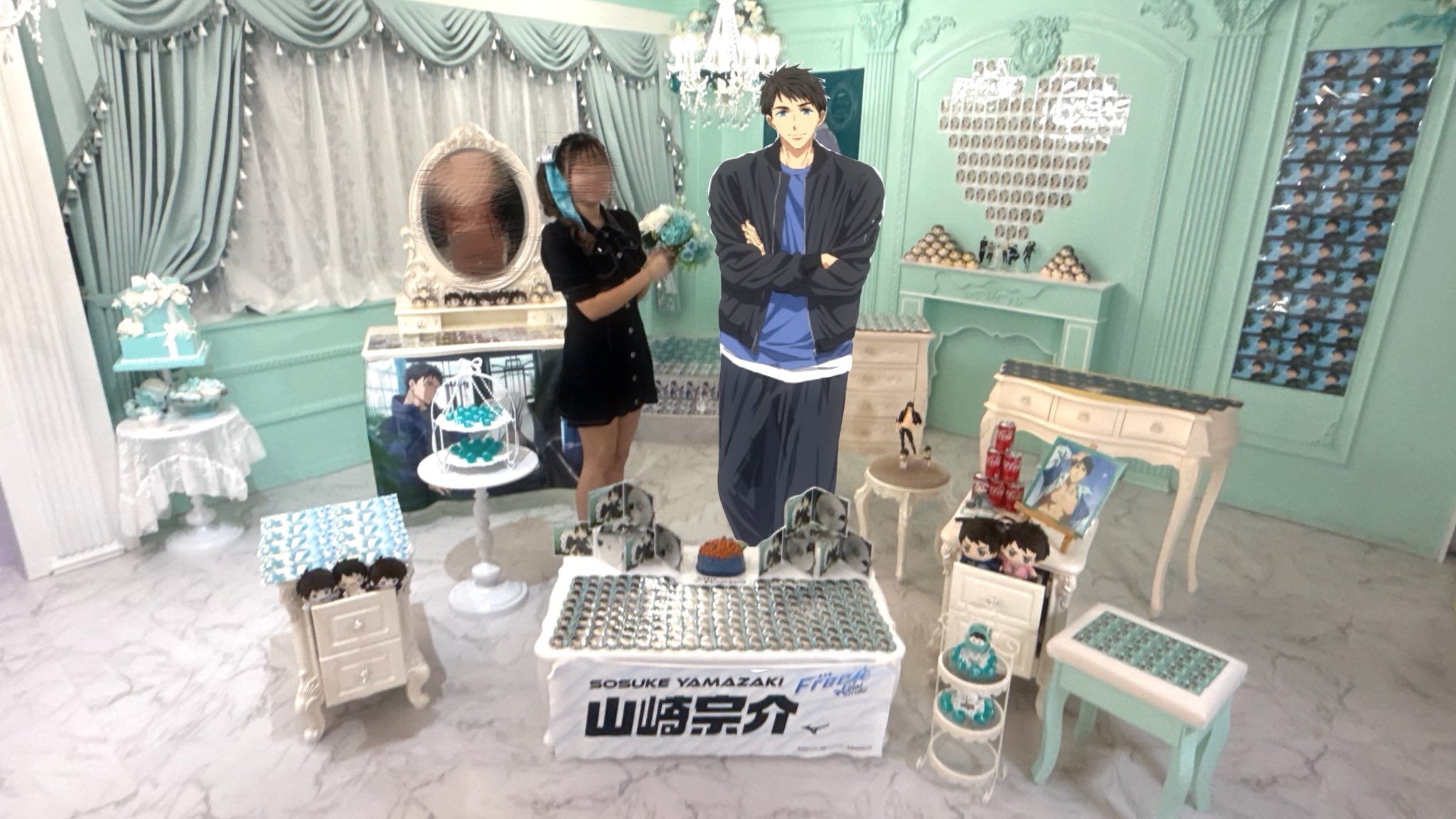
Today marks the birthday of one of my husbandos, Yamazaki Sousuke. X’s algorithm has clearly identified my attachment to this character, undoubtedly through my following various accounts that post daily visuals of him and the birthday posts I have liked in years past. As usual on anime character birthdays across Asia, dedicated fans carefully craft arrangements of their merchandise alongside birthday cakes, faux presents, and traditional party decorations such as balloons in the character’s signature colours for a complete celebration.
Sometimes I encounter these elaborate rooms filled with merchandise and fan-made art that suggest either multiple people collaborating for one character’s birthday, or an extraordinarily dedicated individual who has invested substantial money in this character — more than I typically see spent on real people. While the vast majority of these posts originate from Japan, I also observe celebrations from South Korea, China, and occasionally Thailand.
This level of attachment to anime characters, manifesting in celebrations as elaborate as those for real people, represents one endpoint of our emerging parasocial society. Here, fictional characters have become hyperreal, worthy of time and energy investments that often exceed those given to actual human relationships.
Parasocial birthday celebrations are not entirely new. Japan has witnessed anime character celebrations sporadically for several years. Western fandoms sometimes mark character birthdays through cosplay and fanart, while celebrities have received birthday gifts and letters from devoted fans for decades. Some fans even pursue costly encounters with their idols at any expense.
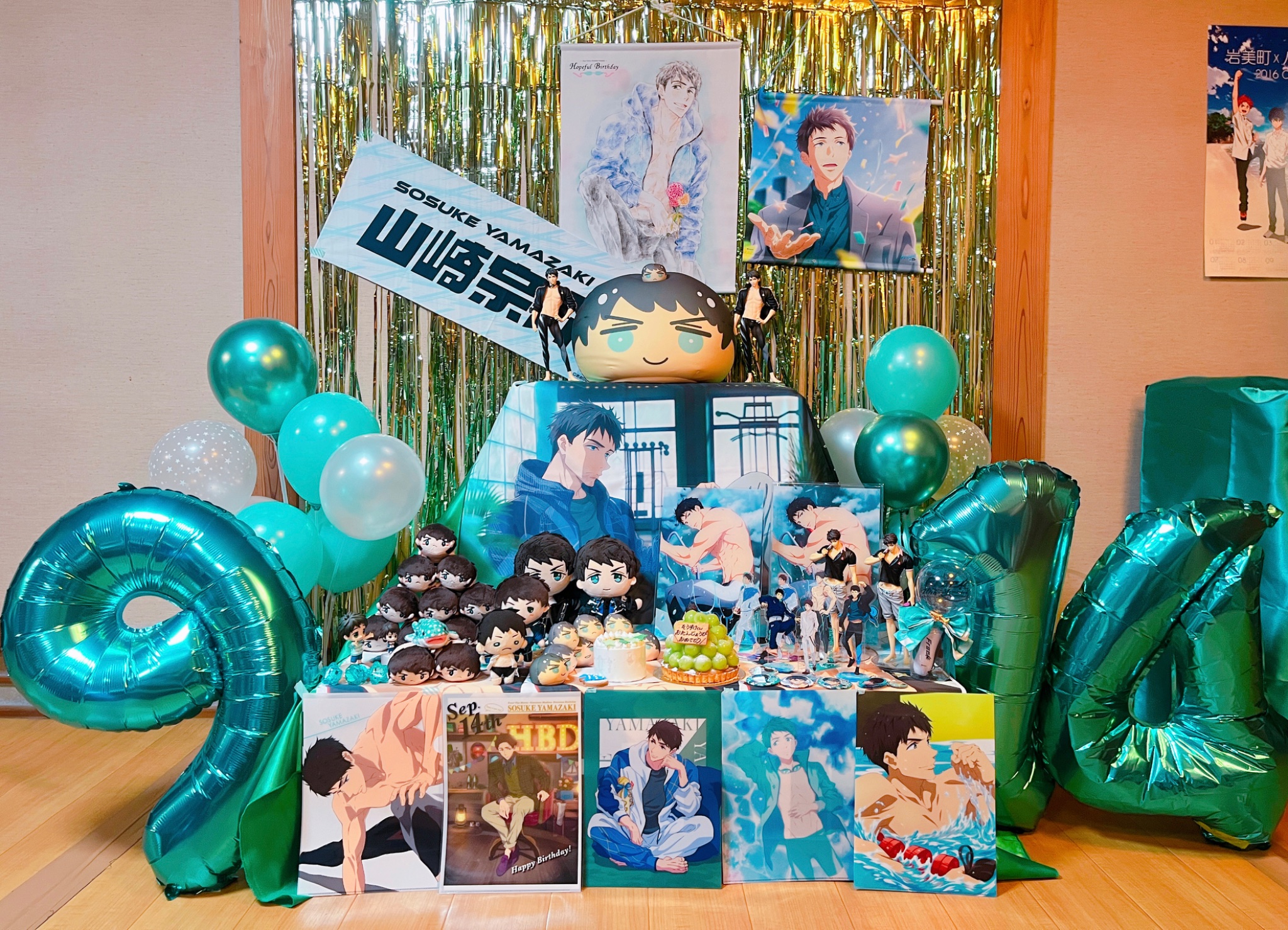
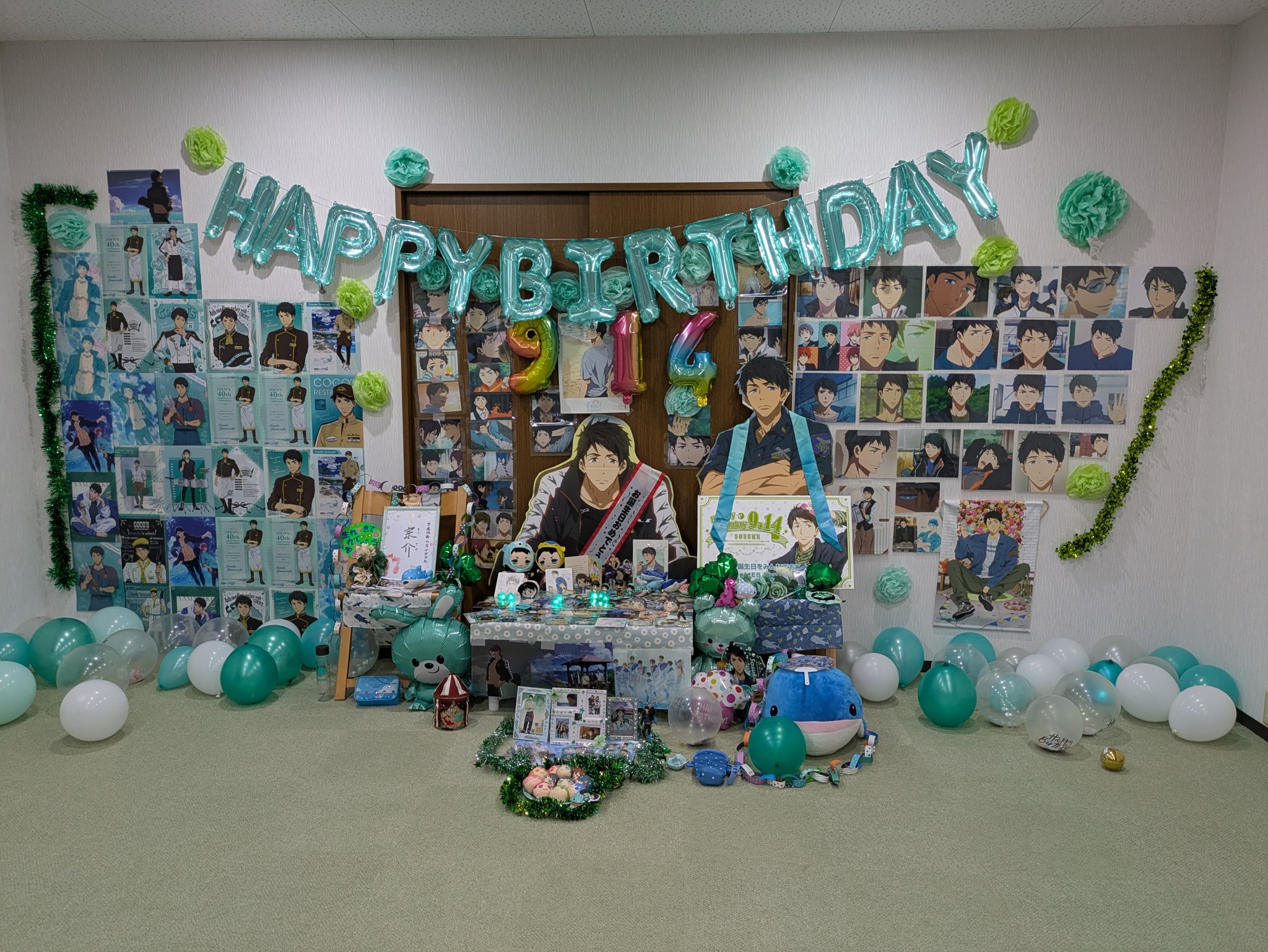
Anime studios understand their fans’ dedication intimately. Similar to K-pop industries, they offer character merchandise — acrylic stands, figurines, keychains, posters, body pillows, and countless other items — through online and physical stores. Characters often appear in casual, out-of-character clothing that humanises them further. Promotional events abound, such as Free!‘s collaboration with Dunkin’ Donuts, where characters bridge the gap between fiction and reality through shared objects that exist in both realms. Fans purchase merchandise from these events to obtain tangible certificates that strengthen their bond with the character while expanding their collections.
This exemplifies emotional capitalism. Consumers’ authentic feelings, though triggered by fictional entities, are channelled into purchasing products from companies producing character goods, creating an economic engine that generates steady revenue streams for participating businesses. These can sometimes provide more reliable income than real celebrities might. Real celebrities remain human beings who age, face scandals, and encounter reputation-damaging drama. Anime characters, by contrast, never age, and their content remains carefully managed by artists and executives from their respective studios. This makes them superior to real celebrities in many ways. Characters exist in emotional stasis, stripped from the complexities and challenges that characterise real human relationships. They offer fans emotional security, making the simulation more appealing than reality while being actively maintained and produced for market consumption.
This dynamic builds parasocial relationships. We observe similar phenomena in video games, particularly gacha-type games like Genshin Impact, where countless promotional events held in China generate enormous revenue for both game companies and promotional partners. When viewed collectively, these celebration photographs evoke religious qualities. Some display literal shrines to anime characters that demonstrate outright worship, hypnotic walls covered with rows of two-dimensional faces staring back at fans, reinforcing relationships and potentially drawing outsiders into this shared experience. These birthday posts, where fans worldwide celebrate characters’ birthdays through their chosen methods (though most mirror Japanese practices of carefully arranged shrines filled with images and merchandise), invoke ritualistic devotion to unreal entities. Unlike traditional religious worship of supernatural beings, here we witness explicit devotion to acknowledged artificial entities.
Many fans acknowledge these characters’ fictional nature while investing time, money, and energy in celebrations. This blurs the boundaries between reality and simulation, allowing the hyperreal to overtake the real. While these practices may not actively harm participants, they present symptoms of contemporary digitalised culture where communities connect through online spaces and simulations, creating hyperreal experiences.
Rather than pathologising these practices, we might ask whether they represent adaptive responses to emotional capitalism and the realities of digitally connected society. In Japan, for instance, hyper-individualised and atomised social conditions, compounded by gruelling work practices epitomised by “black companies,” create circumstances where traditional community engagement becomes difficult or impossible. These new forms of devotion and engagement through anime may fulfil fundamental human needs for ritual, community, and connection when conventional social structures prove inadequate or unattainable.